Balancing Brand Aesthetic with Real-World Retail Durability
Project Overview
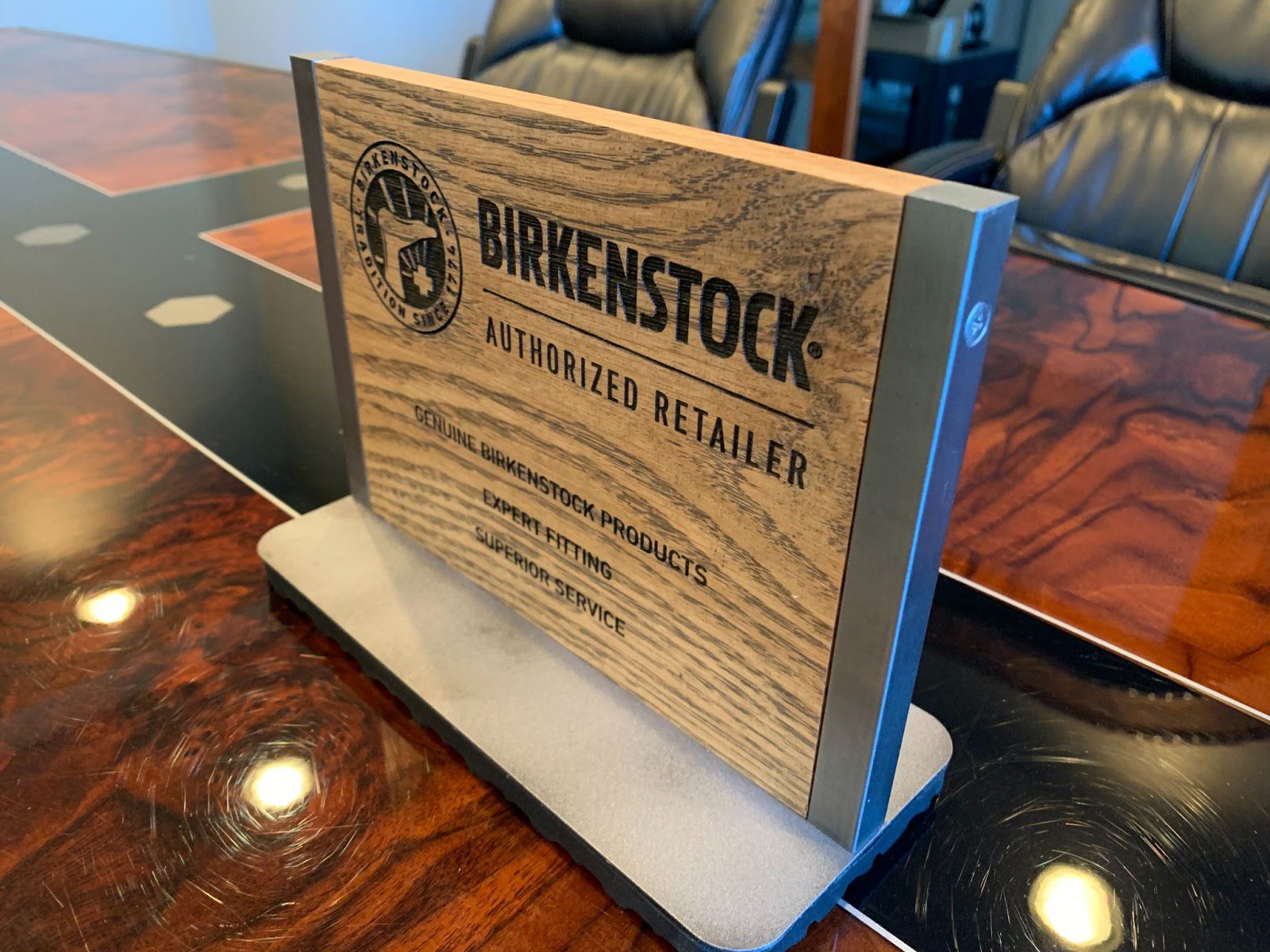
Birkenstock required custom retail fixtures that reflected the brand’s natural materials, craftsmanship, and minimalist aesthetic, while still performing reliably in high-traffic retail environments. The challenge was delivering fixtures that preserved visual authenticity without compromising durability, manufacturability, or consistency across stores.
The Real Challenge:
Birkenstock’s brand identity places strong emphasis on material honesty, finish quality, and tactile experience. Retail environments introduce wear, frequent handling, cleaning, and reset cycles that can quickly degrade fixtures designed purely for appearance. Fixtures needed to look right and hold up—without drifting away from the brand’s core visual language.
Key Constraints:
Strict brand aesthetic and material expectations
High customer interaction and frequent product handling
Need for consistent execution across multiple retail locations
Durability requirements that could not be visually intrusive
Manufacturing repeatability without visual variation
Why the Obvious Solution Wouldn’t Work
A purely decorative approach would have preserved the intended look but risked premature wear, finish failure, and higher maintenance costs. Conversely, over-engineering for durability risked introducing materials, structures, or details that conflicted with Birkenstock’s clean, natural aesthetic. Neither extreme was acceptable.
Engineering & Design Approach
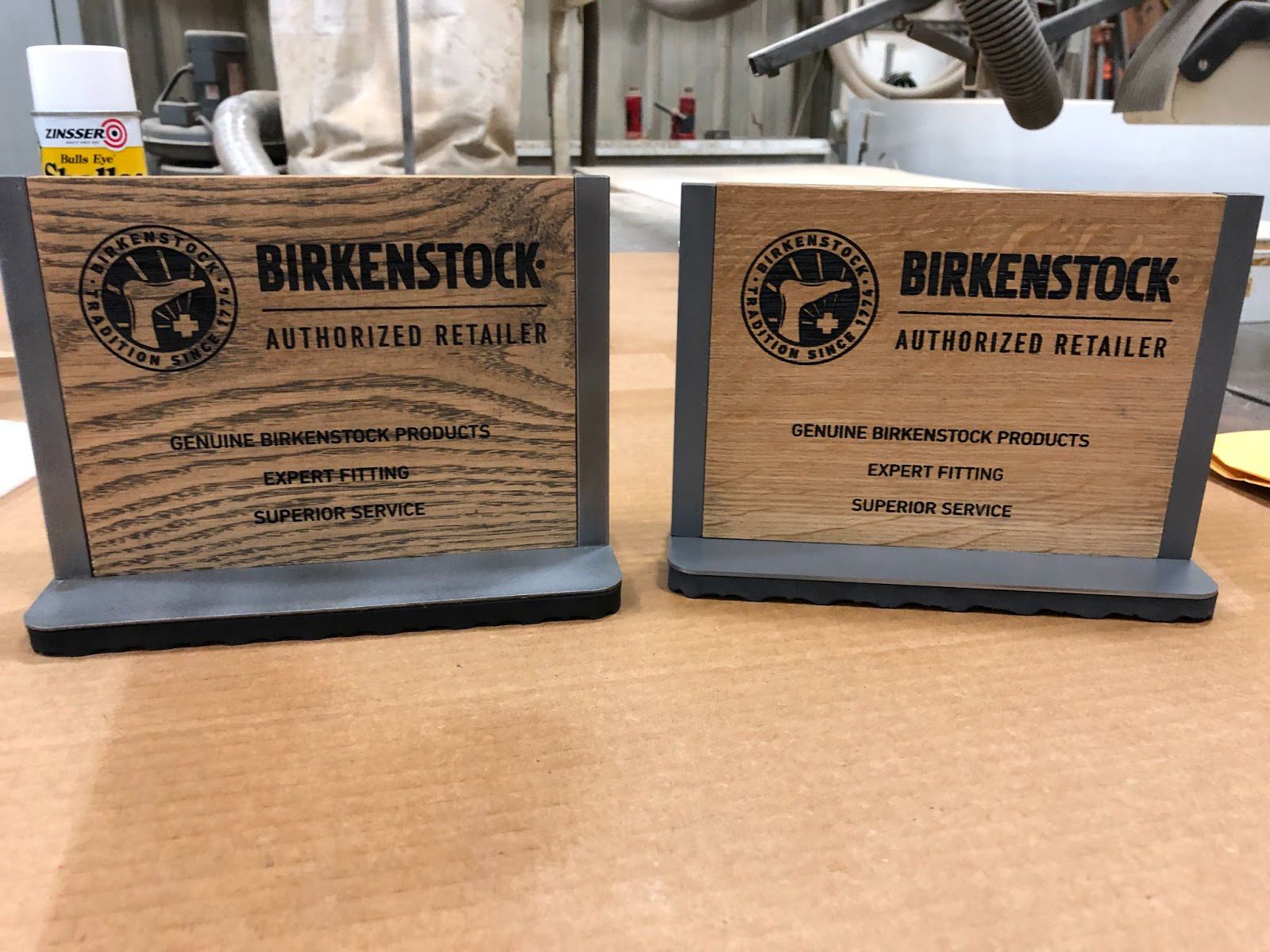
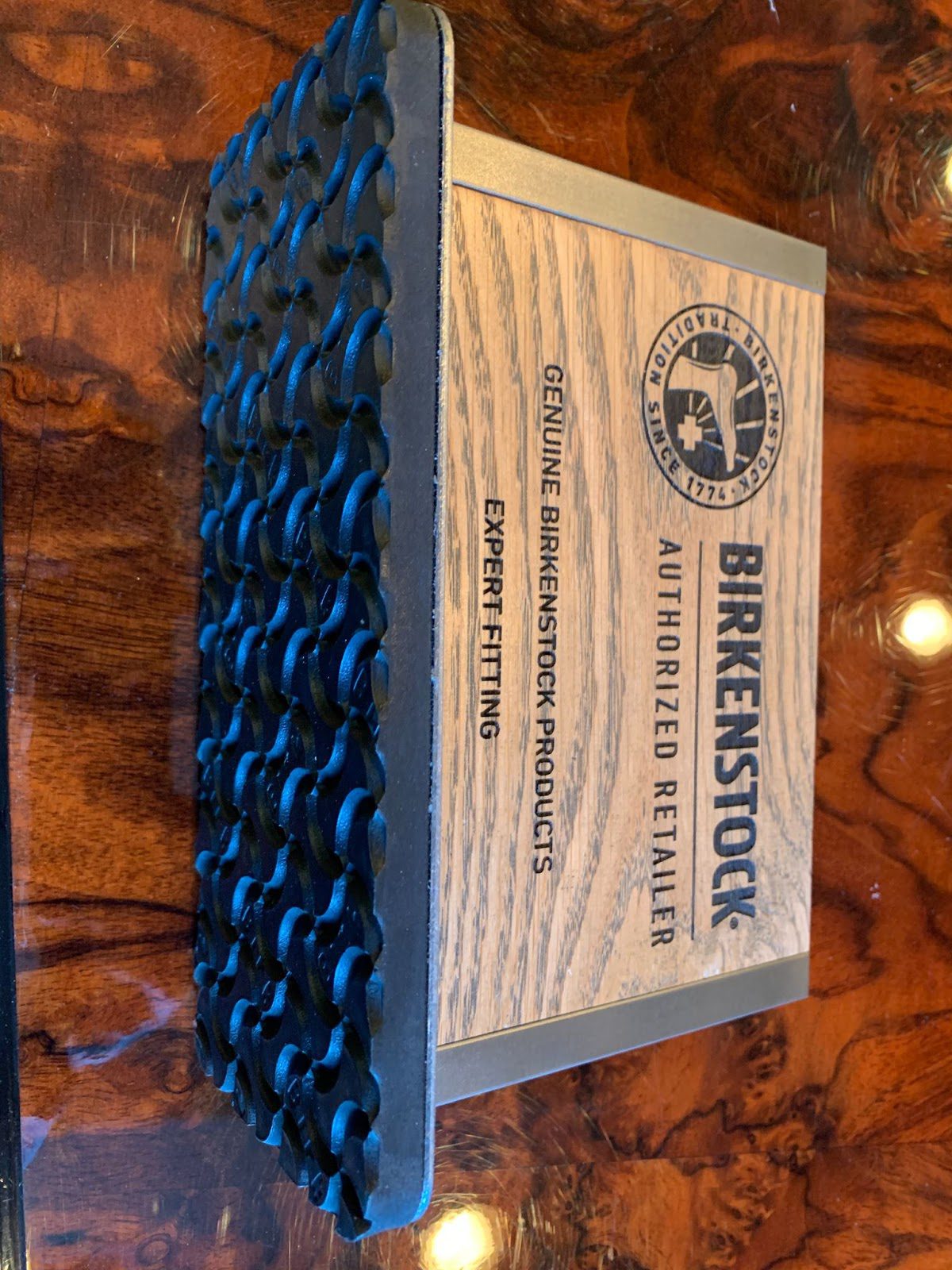
Imperial approached the fixtures by treating brand expression as a constraint, not a feature. Design decisions focused on preserving visible materials and finishes central to the brand, reinforcing structure discreetly without altering outward appearance, and selecting finishes and construction methods that aged predictably under retail use.
Manufacturing & Installation Considerations
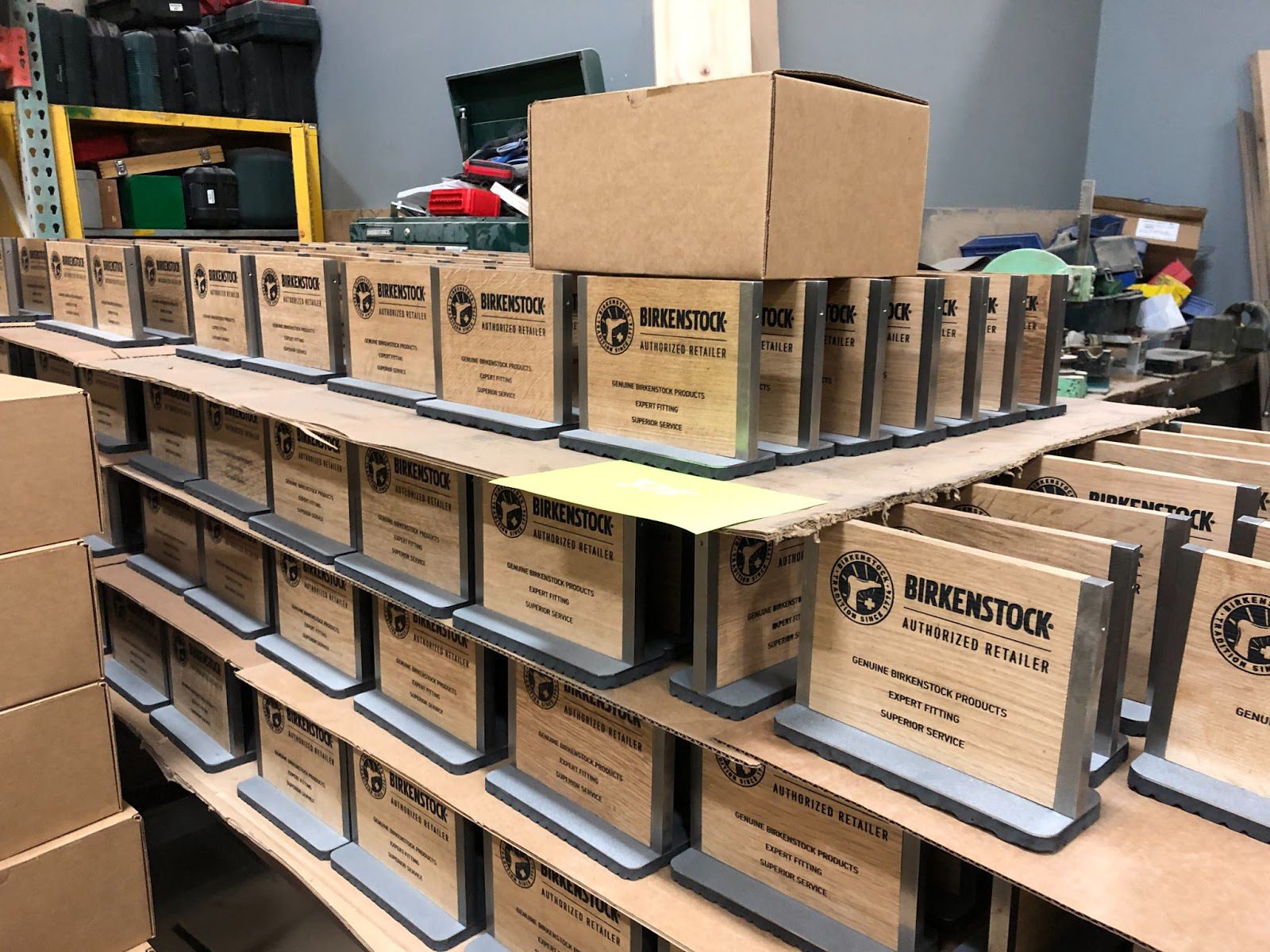
To maintain brand consistency across locations, tolerances and finish processes were carefully controlled. Manufacturing methods were selected for repeatability, not variation, ensuring each store delivered a consistent brand experience without introducing operational risk.
Outcome
Fixtures that aligned with Birkenstock’s natural, minimal aesthetic
Improved durability under daily retail use
Consistent visual execution across locations
Reduced maintenance and refinishing compared to decorative alternatives
Why This Approach Worked
By respecting brand constraints while quietly engineering for durability and repeatability, Imperial delivered fixtures that looked authentic and performed reliably in real retail conditions. Birkenstock is a strong example of the specialty retail design considerations outlined in Designing for High-Traffic vs Specialty Retail.